

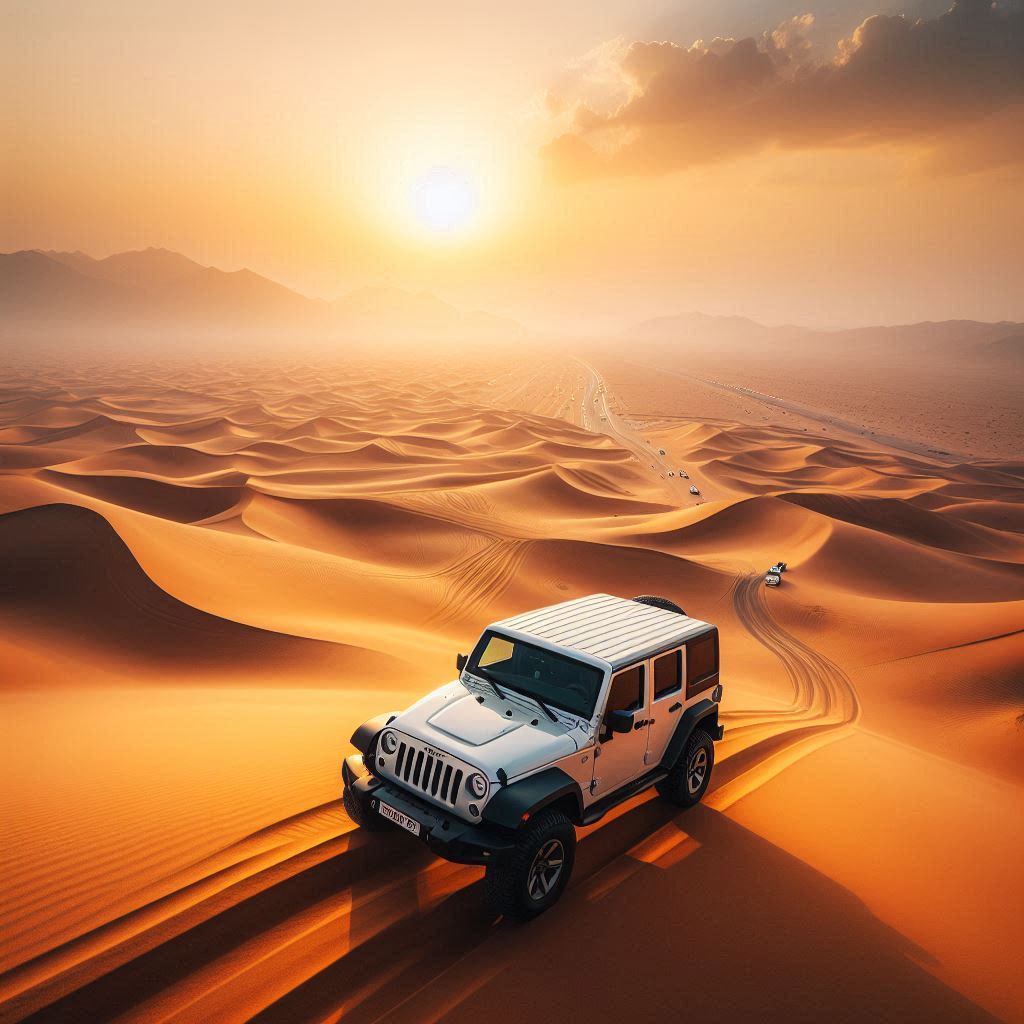

If you want to tackle Dubai’s dunes safely and in comfort, choose a sturdy 4×4 with good ground clearance, reliable cooling, and proven off-road capability. A Toyota Land Cruiser or similar full‑size SUV offers the best blend of traction, reliability, and passenger comfort for desert driving, making it the top practical choice for most desert trips.
You’ll find options from rugged 4x4s to luxury SUVs depending on how much off‑road performance and comfort you need, so this article breaks down vehicle types, must‑have features, trusted rental companies, costs, and the driving tips that keep you safe. Expect clear comparisons and route suggestions so you can match a rental to your skill level and trip plans.
By the end you’ll know which vehicle suits your itinerary, what to check before you sign the rental agreement, and how to get the most value without sacrificing safety or capability.
Why Rent a Car for Desert Adventures in Dubai
Renting the right vehicle gives you control over timing, route, and comfort while you explore dunes, wadis, and remote camps. It also affects safety, packing options, and the ability to stop for photos, wildlife, or changing light.
Freedom and Flexibility
You choose when to start and end your trip, not a fixed tour schedule. That means you can leave before sunrise for cooler driving, linger at a viewpoint for golden-hour photos, or cut a stop short if weather changes.
Renting lets you pick vehicle type and equipment. A Toyota Land Cruiser or Nissan Patrol with high ground clearance and four-wheel drive handles sand better than a standard sedan. You can add roof racks, extra water, and a full-size spare—items most group tours won’t provide.
You control pacing and route choice. Drive along established desert tracks or detour to lesser-known dunes and salt flats. If a section looks risky, you pause, deflate tires for better traction, or return to a safer line without waiting for a tour group.
Access to Remote Locations
A proper 4×4 opens areas that low-clearance cars and city taxis cannot reach. That includes steep dune fields, dry riverbeds, and isolated camps that deliver quieter scenery and fewer visitors.
You can reach photographic vantage points away from crowded safari zones. This matters if you want uninterrupted shots of desert patterns, distant camel herds, or night-sky astrophotography. Those locations often sit 30–90 minutes beyond standard safari routes.
Emergency access matters too. When you drive your own equipped vehicle, you carry recovery gear—shovels, traction mats, tow straps—and can react faster than relying on an operator’s single support vehicle. Still, choose marked tracks and check local rental policies; some companies restrict off-road zones.
Enhanced Comfort and Privacy
You control cabin climate, seating layout, and payload—important in extreme heat or with family gear. A roomy SUV lets you carry coolers, shade canopies, and extra water without cramming passengers.
Privacy matters on multi-day or sunset trips. You avoid shared rides and noisy groups, so you can rest, change clothes, or enjoy a quiet picnic at a dune crest. That privacy often improves safety too, by letting you manage who rides where and how luggage is stored.
Finally, vehicle choice affects ride quality. Modern luxury SUVs (Range Rover, Lexus LX) smooth rough tracks and reduce fatigue on long drives, while rugged 4x4s prioritize durability and easier field repairs. Pick what matches your comfort needs and planned terrain.
Top Car Types for Dubai Desert Expeditions
You need vehicles with high ground clearance, strong traction systems, and reliable cooling. Comfort, cargo space, and recovery gear matter when you plan long drives or carry passengers and supplies.
4×4 SUVs for Off-Roading
Choose full‑size 4×4 SUVs like the Toyota Land Cruiser, Nissan Patrol, or Land Rover Defender for steep dunes and soft sand. These models offer low-range gearing, high ground clearance (usually 230mm+), and robust suspension that reduce the risk of getting stuck.
Look for part-time or full-time four‑wheel drive with locking differentials and sand-mode traction control to maintain momentum on slopes. Tire choice matters: lower tire pressure (15–18 psi) improves flotation, so bring a reliable gauge and a portable air compressor for re-inflation.
Prioritize vehicles with strong cooling systems and oversized radiators if you’ll cover long distances in high temperatures. Pack recovery essentials: tow straps, shackles, a shovel, and a sand ladder. Verify the rental includes roadside support and check insurance limits for off-road use.
Luxury Desert Vehicles
Renting a Range Rover, Mercedes G-Class, or high-spec Land Cruiser gives you refined suspension, climate control capable of handling extreme heat, and leather seating for long rides. These cars balance comfort with capable off-road systems such as adaptive suspension and multi-terrain select.
Expect advanced driver assists (hill descent control, multi-terrain response) that simplify dune driving for less experienced drivers. Luxury models add cargo flexibility—fold-flat rear seats and roof racks—so you can carry coolers, water jerrycans, and luggage without crowding passengers.
Confirm the rental policy covers off-road desert use and inspect underbody protection; luxury vehicles can have higher repair costs and stricter insurance exclusions. Factor in fuel consumption—these vehicles use significantly more petrol on long desert runs.
Pickup Trucks for Group Trips
Pickups like the Toyota Hilux or Ford Ranger provide strong payload capacity and an open bed for gear, icy boxes, and extra water tanks. They usually have higher torque for towing and climbing dunes when loaded, which helps on long multi-stop expeditions.
Double-cab models seat five comfortably and leave the bed free for equipment. Look for 4×4 variants with locking rear differentials and reinforced suspension if you plan steep dune crossings or to tow a trailer.
Secure gear with ratchet straps and use a bed canopy or cargo net to protect items from sand. Check fuel range and spare tire condition; long distances between stations require full tanks and a well‑mounted spare.
Essential Features to Look for in Desert Rental Cars
Choose a vehicle that gives you traction, protection, and reliable cooling to handle sand, heat, and remote terrain. Prioritize drive systems, safety and recovery gear, and powerful air conditioning when evaluating rentals.
All-Wheel Drive Capability
Select a true 4×4 or permanent all-wheel-drive SUV with a low-range transfer case. These systems let you switch to low ratios for steep dunes and soft sand, improving torque delivery and preventing wheel spin. Vehicles like Toyota Land Cruiser, Nissan Patrol, or similar heavy-duty SUVs offer the clearance and drivetrain strength you need.
Tire choice matters. Look for vehicles equipped with all-terrain tires and a full-size spare. Confirm the rental allows you to lower tire pressure safely; reducing PSI increases traction on sand.
Check ground clearance and approach/departure angles. Aim for at least 220–250 mm (8.6–9.8 in) clearance to avoid underbody contact on rutted tracks and dune shoulders.
Desert Safety Equipment
Verify the rental includes a full set of recovery gear and first-aid supplies. Essential items: shovel, tow straps rated for 5,000+ kg, D-shackles, traction boards, and a reliable jack plus a base plate for soft sand. These tools let you self-recover or assist others without waiting for help.
Confirm a comprehensive first-aid kit and emergency signaling: high-visibility flags, a satellite or UHF radio, and reflective triangles. Mobile coverage can be unreliable in remote areas, so a satellite communicator or emergency beacon is highly recommended.
Ask about onsite spares and maintenance records. A second fuel canister, extra coolant, engine oil, and a multi-belt spare reduce the risk of being stranded miles from help.
Advanced Air Conditioning
Ensure the vehicle’s A/C system has high cooling capacity and separate rear vents if you carry passengers. Desert temperatures often exceed 40°C (104°F); a system designed for heavy-duty use prevents cabin heat soak on long drives.
Check compressor health and cabin airflow before departure. Ask the rental provider to run the A/C at full load to confirm consistent cold output and that the condenser is clear of debris.
Insulation and tinted windows improve comfort and reduce load on the system. Bring sunshades and consider vehicles with dual-zone climate control so driver and passengers can set different temperatures for long trips.
Best Car Rental Companies for Dubai Desert Trips
You’ll prioritize reliability, 4×4 capability, and clear insurance when booking for dunes. Choose a provider that offers vehicle recovery equipment, unlimited mileage options, and flexible pickup/drop-off near Dubai International Airport or city hotels.
Local vs International Agencies
Local agencies often stock recent Toyota Land Cruisers, Nissan Patrols, and modified Jeep Wranglers set up for dune use. You can usually negotiate rates, get same-day upgrades, and access locally maintained recovery gear. Verify that tires, skid plates, and sand ladders are included, and confirm the provider allows off-road driving in their contract.
International chains (Hertz, Alamo, Dollar and others) give standardized contracts, 24/7 roadside assistance, and larger fleets of luxury SUVs like Range Rovers. They may restrict off-road use or require additional off-road insurance. Compare the excess amount, towing policy, and whether the company will authorize driving in desert conservation areas.
Make a checklist before booking:
- Vehicle type and ground clearance
- Sand/4×4 kit availability
- Insurance details and excess limits
- Fuel policy and mileage caps
Top-Rated Providers
Look for companies with strong user ratings on platforms like KAYAK and Expedia, and with specific desert-rental experience. Providers with consistently high scores usually offer operational extras: GPS with desert waypoints, dual-battery setups, and documented maintenance logs. Read recent reviews for reports on vehicle condition and claim responsiveness.
Consider these performance indicators when choosing:
- Average response time for breakdowns
- Claims handling transparency
- Availability of experienced staff for pre-trip briefings
Ask for vehicle inspection photos and a written statement of included accessories before you pay. That reduces disputes and keeps you focused on safe driving.
Custom Desert Packages
Custom packages save time and reduce risk by bundling a 4×4, essential gear, and optional guides. Typical inclusions: roof racks, tow straps, shovel, extra fuel canisters, and a handheld radio or satellite communicator. Some rentals add an experienced driver/guide or offer guided dune-bashing sessions for a single fee.
Review package components carefully:
- Which accessories come standard vs. optional
- Whether a guide is licensed and insured
- Cancellation and refund conditions
Negotiate add-ons a la carte if you only need specific items. Request a written inventory and a short demo of recovery equipment when you collect the vehicle.
Key Considerations for Renting a Car in the Dubai Desert
You should focus on coverable costs, driver eligibility, and how fuel and mileage are handled. These points affect your safety, legal exposure, and total trip cost.
Insurance and Liability
You must confirm the exact insurance cover before you drive onto dunes. Basic CDW (Collision Damage Waiver) often comes with a deductible or excess; check the excess amount and whether the rental offers an excess-reduction add-on to lower or remove it.
Verify that off-road or desert driving is explicitly permitted by the policy. Many standard policies exclude dune driving and will void cover if you leave paved roads. Ask for written confirmation if the agency allows desert use and which additional charges apply for recovery or tow services.
Check third-party liability limits and whether the insurer covers damage to other vehicles, property, or people. Ensure any damage to undercarriage, roof, tires, or windows is covered, or budget separately for those exclusions. Keep emergency and rental company contact numbers handy inside the car.
Rental Policies and Requirements
You need a valid driving licence accepted in the UAE — either your national licence or an International Driving Permit alongside it, depending on your nationality. Most agencies require drivers to be at least 21–25 years old; anticipate young-driver surcharges if you’re under the agency’s preferred age.
Present a major credit card for the security deposit; prepaid debit cards are often not accepted. Read the rental agreement for permitted mileage, allowed territories (some agencies ban travel to other emirates), and whether an additional driver fee applies. Inspect the car with the agent and photograph any existing damage before signing.
Confirm emergency and recovery procedures for desert situations. Ask whether the rental includes roadside assistance, how long typical response times are in desert areas, and whether recovery costs after an off-road incident fall to you.
Fuel and Mileage Options
Choose a fuel policy that matches your itinerary. Full-to-full policies are usually cheapest and most transparent: you return the car with the same fuel level and avoid inflated refueling fees. Prepaid fuel can look convenient but often costs more per litre.
Check whether mileage is unlimited or capped. Desert trips can cover long distances between services; unlimited mileage reduces surprise charges. If there’s a cap, calculate likely kilometres and factor any per-km fees into your budget.
Locate reliable fuel stations along your route and plan refills before remote stretches. Diesel vs petrol matters: confirm fuel type to avoid costly misfuelling. Carry extra water and a small jerrycan only if the rental agreement permits, and store it securely.
Driving Tips for the Dubai Desert
Expect soft sand, steep dunes, and high daytime temperatures. Prioritize vehicle setup, tire management, and a clear emergency plan before you leave paved roads.
Navigating Off-Road Terrain
Lower your tire pressure to 18–22 psi for most SUVs to increase flotation on soft sand; check manufacturer or rental guidance first. Use 4WD high (4H) for moving across dunes and switch to 4L only when you need extra torque at very low speeds.
Maintain momentum on climbs; stop on a slope can make restarting difficult. Approach dunes at a steady speed, crest them gently, and avoid sharp turns on the face of a dune. If you feel the vehicle digging in, reverse along the original track to firmer sand rather than spinning the wheels.
Carry recovery gear: shovel, traction boards, a rated tow strap, and a Hi-Lift jack if your rental allows it. Travel with at least one other vehicle when possible so you have towing assistance.
Safety and Emergency Preparedness
Bring at least 4 liters of water per person for a day trip, plus extra for vehicle cooling needs and emergencies. Carry a basic first-aid kit, heat-stroke supplies (electrolytes, shade), and sun protection like wide-brim hats and SPF 50+ sunscreen.
Ensure your phone is charged and bring a secondary battery pack and a vehicle-mounted charger. Use a GPS unit with offline maps and mark your exit route; mobile signal can drop in remote areas. File your intended route and return time with someone onshore or use location-sharing.
Know how to prevent and treat heat exhaustion: cool the person, rehydrate slowly, and seek shade. If your vehicle becomes immobile and temperatures are extreme, stay with the vehicle—it’s easier for rescuers to spot—unless immediate danger requires you to leave.
Local Driving Regulations
You must not drive off-road in protected or privately owned desert conservation areas; fines and impoundment are common. Stick to publicly accessible desert tracks or book a licensed safari operator for dune-bashing activities.
If you rent a 4×4, confirm the rental agreement allows off-road use; many companies void insurance for unauthorized desert driving. Carry your driver’s license, rental documents, and copy of insurance; police checkpoints can appear near popular desert access points.
Obey speed limits on designated tracks and yield to emergency vehicles. If you cause damage to dunes or wildlife, you can face civil and criminal penalties, so avoid cutting across vegetation and archaeological sites.
Recommended Routes and Destinations in the Dubai Desert
Expect a mix of well-marked safari tracks for dune driving and quieter spots offering photography, camping, or off‑road challenges. Distances, vehicle requirements, and key waypoints vary, so pick routes that match your 4×4 skills and rental policy.
Popular Desert Safari Tracks
- Big Red (Al Hamar / Al Thih): About 90 minutes from central Dubai. This is the go‑to dune for dune‑bashing and sunset photos. You’ll need a properly equipped 4×4 and aired‑down tires for traction.
- Al Lahbab / Fossil Rock: Roughly 45–60 minutes southeast of the city. Combines sweeping dunes with rocky outcrops; good for both moderate off‑roading and guided tours. Watch for livestock and marked private zones.
- Liwa (Empty Quarter access): A longer trip (3–4 hours) for experienced drivers. Expect deep sand and long plains; bring recovery gear, plenty of water, and satellite communication. Plan overnight stops at designated camps.
Safety checklist:
- Deflate tires to 18–22 psi on soft sand.
- Carry a shovel, tow straps, and a working jack.
- Check rental company rules on off‑road use and insurance coverage.
Hidden Gems and Local Attractions
- Al Khaznah (near Dubai‑Hatta road): Lower dunes and lesser crowds make it ideal for sunrise shoots. You can practice basic off‑road skills here without the intensity of Big Red.
- Qudra Lakes and Love Lakes: Not classic dunes but sandy tracks and scenic spots for wildlife and relaxed picnics. Accessible with an SUV and good for families or light off‑road drives.
- Mleiha Archaeological Centre area (Sharjah border): Combines desert driving with archaeological sites and marked trails for 4×4 routes. Offers sandboarding and guided fossil walks.
Practical tips for these spots:
- Respect private property and stay on established tracks.
- Bring navigation (offline maps) and check mobile coverage.
- If you plan night driving or camping, inform someone of your itinerary and carry warm clothing.
Costs and Value for Money in Desert Car Rentals
Expect higher daily rates for 4x4s and specialized vehicles, but lower fuel and downtime compared with repeated taxi fares. Watch for package deals, free cancellation options, and supplier comparisons to lock a better rate.
Price Comparison of Car Types
Economy and compact cars often cost AED 100–200 per day and suit paved travel, not dunes. If you plan only on paved roads to desert entry points, these save money but limit access.
Mid-size SUVs run about AED 200–400 per day and give better clearance for rougher tracks. They balance comfort, cargo space, and fuel consumption for small groups.
Dedicated 4x4s and long-wheelbase SUVs used for sand driving cost AED 400–900+ per day. These include reinforced suspensions and sometimes sand tires. You pay more for dune-capable vehicles, but they reduce risk of getting stuck and may lower towing or rescue fees.
Compare weekly rates and long-term discounts. Rental platforms often list pay-at-pickup and free-cancellation deals; use those to minimize upfront cost and flexibility.
Inclusions and Hidden Charges
Check fuel policy: full-to-full avoids extra refueling charges. Many rentals charge per-liter at higher rates if you return with less than full.
Insurance basics may be included, but Collision Damage Waiver (CDW) often has an excess of AED 2,000–10,000 for desert use. Ask for desert-use cover or a reduction of excess; daily premiums for excess reduction range AED 20–100.
Off-road or dune use can void standard coverage. Confirm whether dune driving is permitted and whether an additional off-road surcharge applies—this can be AED 100–500 per day.
Additional fees to expect: one-way drop-off charges, additional driver fees, GPS/unit rental, and late-return fines. Inspect the vehicle with photos and a signed report to avoid disputed damage charges.
Final Thoughts on Choosing the Best Car Rental for Dubai’s Desert
You should prioritize vehicle capability and safety when selecting a desert rental. Choose a 4×4 with high ground clearance, reliable cooling, and good off-road tires to handle dunes and rough tracks.
Consider rental policy details before you book. Look for clear terms on insurance, Salik tolls, fuel, and deposit amounts; GMZ Car Rental often lists transparent packages that can reduce surprises.
Think about support and extras that matter on remote trips. Roadside assistance, satellite navigation, and a recovery kit can make a big difference if you get stuck or lose your way.
Balance cost against reliability and comfort. Lower rates may look attractive, but paying a bit more for a well-maintained SUV and comprehensive insurance usually saves stress and expense later.
Check reviews and ask specific questions. Confirm vehicle age, recent service history, and whether the rental provider—such as GMZ Car Rental—supplies trained staff for vehicle handover and basic off-road tips.
Plan for contingencies and pack appropriately. Bring water, a physical map or offline GPS, sun protection, and basic first-aid supplies to supplement the car’s kit.
Use a short checklist when comparing options:
- Vehicle: 4×4, spare tire, recovery points
- Policy: insurance, fuel, Salik, deposits
- Support: roadside assistance, local contact
- Extras: navigation, recovery kit, tow rope
You’ll improve safety and enjoyment by choosing a provider that matches your off-road needs and offers clear, reliable service.
Frequently Asked Questions
This section covers the vehicle types, specific rental providers, essential safety features, extra desert equipment, typical rental pricing, and required permits or insurance for driving in Dubai’s desert.
What types of vehicles are recommended for desert driving in Dubai?
Choose a full-size 4×4 with high ground clearance and proven off-road capability, such as Toyota Land Cruiser, Nissan Patrol, or Range Rover models.
Prefer vehicles with robust cooling systems and large fuel tanks because distances between services can be long.
Also consider automatic transmissions and low-range gearing for dune climbs and descents.
If you’re a novice, pick a modern SUV with electronic stability and traction-control systems to reduce the risk of getting stuck.
Which rental companies offer specialized desert vehicles in Dubai?
Look for established local and international agencies that list specific off-road models in their fleets, including enterprise-level branches and specialized local firms.
Companies that advertise Nissan Patrols, Toyota Land Cruisers, and Range Rovers are more likely to supply desert-suited vehicles.
Confirm availability and model year before booking to ensure off-road readiness.
Ask for written confirmation that the vehicle is maintained for off-road use.
What are the safety features to look for in a rental car suitable for the Dubai desert?
Prioritize vehicles with electronic traction control, a dependable four-wheel-drive system, and low-range transfer case.
You should also have ABS, multiple airbags, and a reinforced cooling system.
Seek vehicles with a working tyre pressure monitoring system (TPMS) and a spare wheel with matching off-road tyre.
Make sure the air-conditioning is serviceable and that recovery points are accessible and rated.
Can you recommend car rental agencies that provide additional desert driving equipment?
Choose agencies that explicitly offer recovery gear bundles: shovel, tow straps, rated shackles, and portable air compressors.
Some specialist providers and higher-tier branches include sand ladders, jacks rated for soft sand, and spare fuel cans as optional add-ons.
Request the gear in writing at booking and verify that staff demonstrate its proper use at pick-up.
If the agency won’t supply equipment, you can rent kits from desert-activity outfitters or buy basic items locally.
What are the average rental costs for desert-suited vehicles in Dubai?
Expect weekly rental starts around 600 AED for basic 4x4s, rising based on model, age, and season.
Premium models like Range Rovers or late-model Patrols typically cost substantially more, often several thousand AED per week.
Additional costs include refundable security deposits, optional equipment fees, and higher insurance premiums for off-road coverage.
Book early during peak seasons to lock in better rates.
Are there any specific permits or insurance policies required for desert driving in Dubai?
Most rental companies prohibit off-roading in their standard contracts, so you must obtain explicit written permission to drive in the desert.
Ask for a copy of that permission and any rider amendments to your rental agreement.
Purchase or confirm insurance that covers off-road use; standard policies often exclude desert driving and dune-bashing.
Carry vehicle registration, rental contract, your driving licence, and local emergency contact numbers while on desert trips.
0 Comment