


Last updated: October 7, 2026
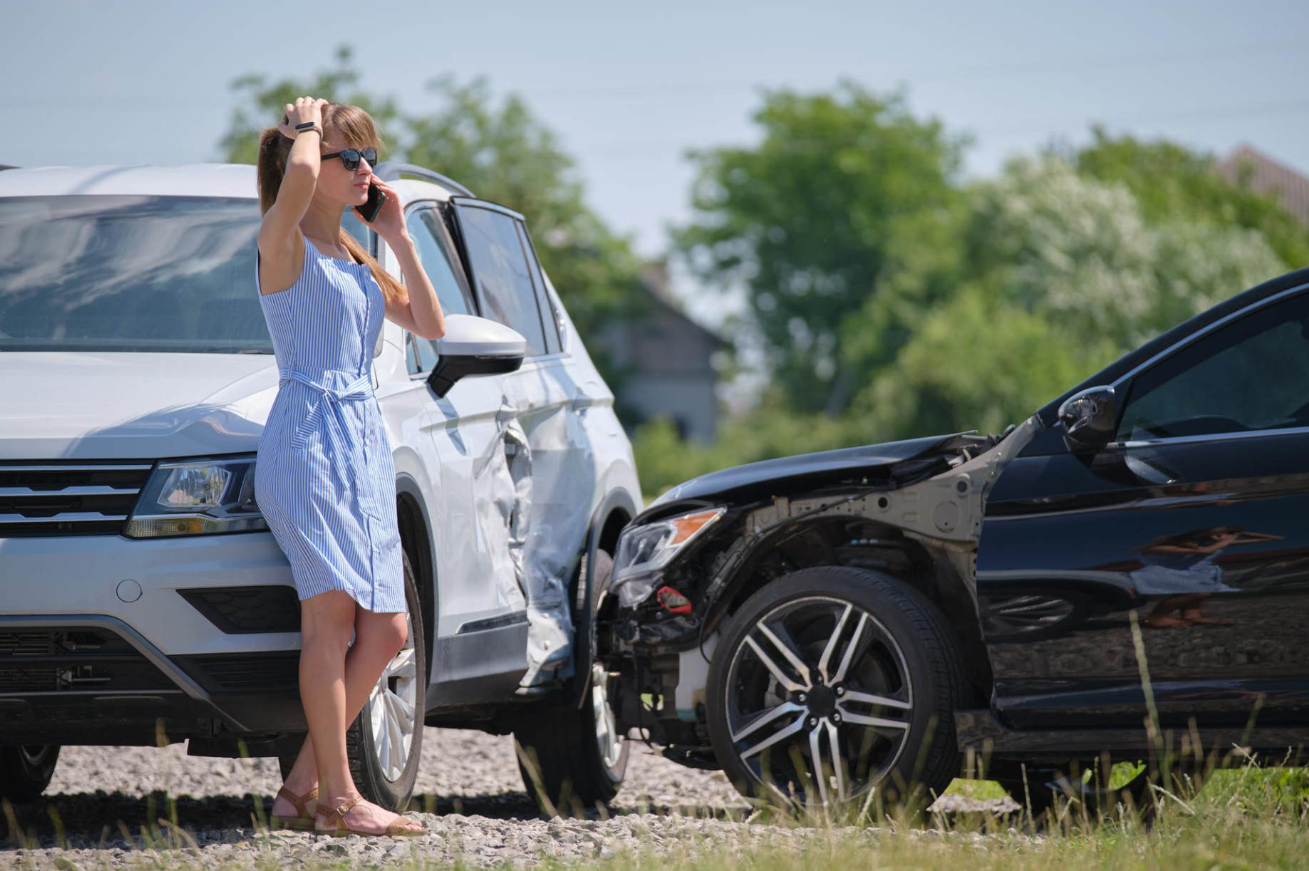
Renting a car gives you flexibility when you lack personal transport or prefer not to use public transit, but it also comes with responsibilities on the road. If you’re involved in a collision while driving a rental, the situation can range from a minor hassle to a complex legal and financial problem.
You need to act deliberately: protect safety, document the scene, and understand how insurance, rental company policies, and local laws affect your obligations and potential liabilities. Knowing the right steps ahead of time helps you limit costs, comply with legal requirements, and resolve the incident more smoothly.
[elementor-template id=”19376″]
Step-by-step instructions on how to proceed in the event of a car accident
Step 1: Stop your vehicle and secure the scene
Bring your car to a safe halt as soon as possible and move it off the travel lane if you can. If the car cannot be driven, place a warning triangle or other visible marker at least a few feet behind the vehicle to warn approaching traffic. If the other driver leaves the scene, try to note their license plate, vehicle description, and direction of travel so you can report it to authorities.
Step 2: Check everyone for injuries
Immediately check yourself, your passengers, and people in the other vehicle(s) for injuries. Call emergency services right away if anyone is hurt or if you suspect serious injury, and follow dispatcher instructions until help arrives. Do not move injured people unless they face an immediate danger (for example, a fire).
Step 3: Notify police and document the accident
Contact law enforcement to report the collision and request an official incident record when required by local rules. Take clear photos of vehicle damage, the road position of each vehicle, skid marks, traffic signs, and surrounding conditions. Collect names, phone numbers, addresses, license plate numbers, driver’s license numbers, and insurance details from other drivers and any witnesses. Avoid admitting fault or giving detailed fault statements at the scene.
Step 4: Inform the rental company about the crash
If you rented the car, call the rental company as soon as you have the police report or when it’s safe to do so. Tell them where the vehicle is, describe the damage, and follow their instructions about towing, repairs, or returning the vehicle. Provide the company with a copy of the police report and any photos so they can start their damage assessment and support arrangements like a tow or replacement vehicle.
Step 5: Handle payment and damage liability
Review the police report and rental contract to determine responsibility for damage and any deductible or repair costs. If the report assigns you no fault, the rental company and the other party’s insurer typically handle repair costs. If you are found responsible, follow the rental company’s process for payment or claim resolution; that process may use collision damage waiver coverage you purchased or require you to pay an assessed amount. Keep all receipts, estimates, and correspondence related to repairs and insurance claims for your records.
Helpful information about traffic accidents in Dubai
- Stay at the scene. Leaving, even after a minor collision, counts as an offense and carries a mandatory AED 500 fine. Fleeing a serious crash can lead to criminal charges and a court case.
- Call emergency services immediately by dialing 999. Ask for police to attend and file an official report—this document is essential for any damage claims.
- Treat impacts with objects (street furniture, barriers, walls) the same as vehicle collisions: remain, notify police, and obtain their report.
- Keep calm, document the scene with photos, exchange details if safe, and follow police instructions.
Final Points to Remember
- Prioritize safety first: check for injuries, move to a safe spot if possible, and call emergency services when needed.
- Cooperate fully with law enforcement during their report; stay calm and answer questions factually to avoid complications.
- Gather and preserve evidence—photos, witness contacts, and documents—to support any claims later.
- Communicate clearly with the rental company and your insurer, following their procedures to protect your rights and limit exposure
[elementor-template id=”19376″]
Frequently Asked Questions
What should you do right after a collision in a rented vehicle?
- Ensure everyone’s safety first: move to a safe location if possible and call 911 for injuries or hazards.
- Turn on hazard lights and, if safe, set up warning triangles or flares.
- Do not admit fault or speculate about cause at the scene; stick to facts when speaking with others and police.
- Seek medical attention even for minor pain; some injuries show up later.
- Notify your rental company promptly per your rental agreement.
Are you obligated to inform the rental company about the crash?
- Most rental contracts require you to report any accident immediately.
- Check your rental agreement for the notification timeline and contact methods.
- Failure to report can void coverage or lead to additional charges, so document your call or message.
How will insurance apply after a rental-car crash?
- Coverage can come from multiple sources: your personal auto policy, credit card benefits, the rental company’s options, or third-party liability.
- Primary vs. secondary coverage matters: a personal policy that extends to rentals may pay first; credit card or rental-provided products often act as secondary or collision-damage waivers.
- Expect a deductible if you use certain coverages; terms vary by policy and rental agreement.
- Report the claim to all relevant insurers and the rental company and follow their claim procedures.
Which records and evidence should you gather at the scene?
- Collect names, phone numbers, addresses, driver’s license numbers, license plate numbers, and insurance details from all drivers.
- Take clear photos and video of vehicle damage, the surrounding scene, road conditions, traffic signs, and any injuries.
- Note the time, date, weather, and exact location; sketch the positions of vehicles if helpful.
- Obtain the police report number and the responding officer’s name and badge number.
- Keep the rental agreement, keys, and any written statements or receipts.
Who can be held responsible for repair costs and other losses?
- Liability depends on fault, the rental contract, and which insurance applies.
- If another driver caused the crash, their liability insurance typically covers your damages.
- If you’re at fault, you or your insurer (or the rental company if you purchased their protection) usually cover repairs and loss of use charges.
- The rental company may charge administrative, towing, or loss-of-use fees; dispute these with supporting documentation if needed.
Can you get a replacement rental after an accident, and how do you arrange it?
- You can often obtain a replacement through the rental company, subject to vehicle availability and the company’s damage-assessment policies.
- Report the accident to the rental location and follow their instructions for returning the damaged car.
- If the vehicle is undriveable, the company may tow it and provide a substitute or arrange alternate transportation.
- Keep records of any additional charges and request written explanations for repairs, fees, or depreciation claims.
0 Comment