

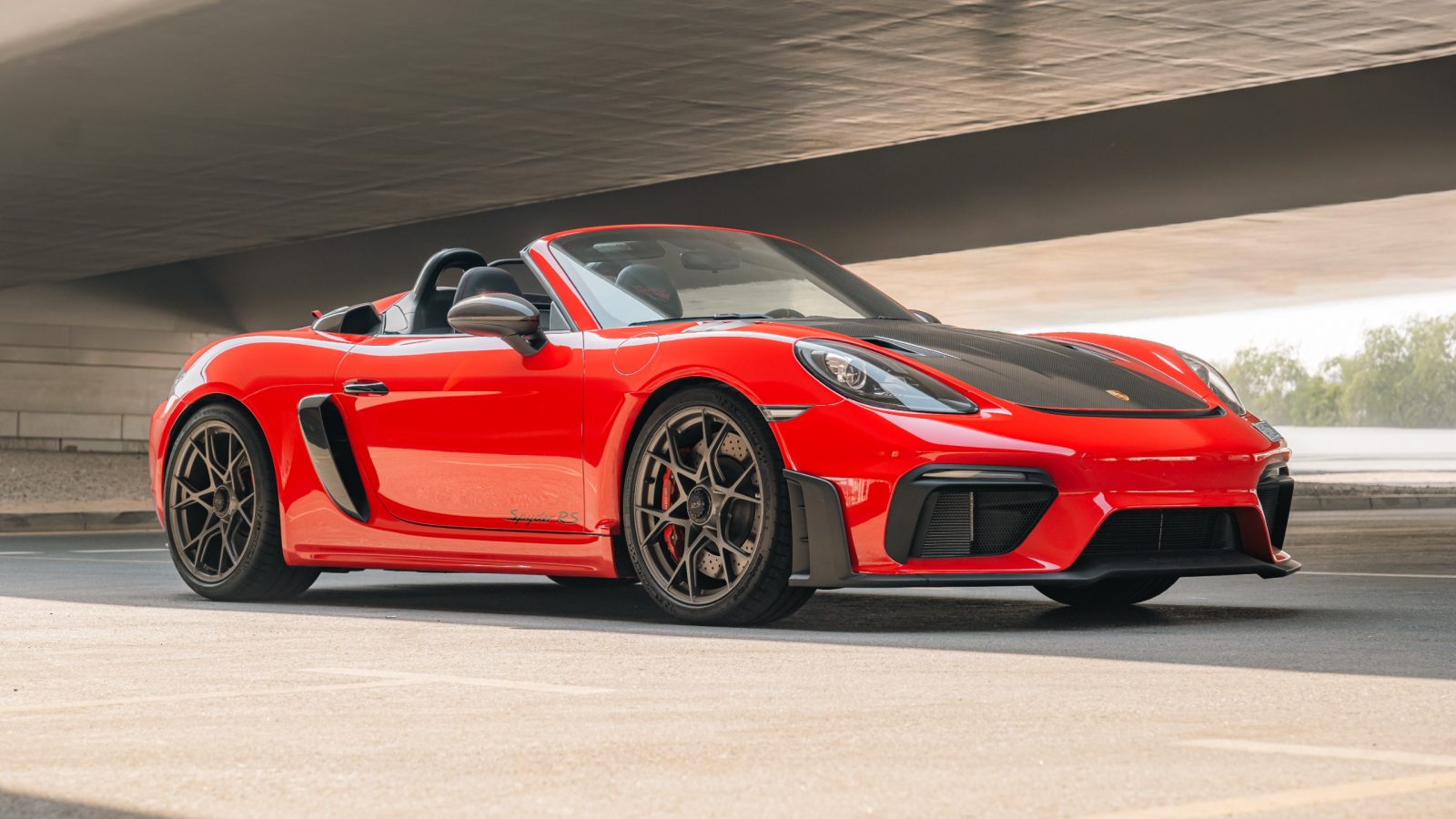

Driving a luxury car demands focus and precision. These vehicles are equipped with powerful engines and advanced performance features, making every action on the pedal significantly more responsive than in standard cars.
Each luxury model offers a unique driving experience, with distinct reactions and handling characteristics. True driving mastery comes from maintaining composure and control, ensuring a safe and confident ride every time behind the wheel.
Maintain Proper Seating and Ergonomics
Properly adjusting the seat, steering wheel, pedals, headrest, and mirrors is essential for comfortable and safe driving. The driver should position their body so that arms and legs rest naturally without overreaching or leaning forward.
Key points to consider:
- Ensure the seat supports the lower back to maintain the natural spine curve.
- Adjust the seat height and distance to allow easy access to pedals without stretching.
- The steering wheel should be reachable without locking elbows or slouching.
- The headrest should be aligned with the back of the head to reduce strain.
These adjustments help the vehicle move in sync with the driver’s movements, enhancing control and reaction time during driving.
Keep Your License and Key Documents Accessible
Before driving, ensure the driver’s license is valid and permanent, not temporary. It is essential to carry the license along with current insurance and vehicle registration at all times. Authorities can request these documents unexpectedly, so having them ready reduces delays and complications. Keeping these items organized and within reach supports a smoother driving experience and helps avoid unnecessary issues during stops or checks.
Drive at a Moderate Speed and Adapt Gradually
When driving a luxury vehicle, it is important to start slowly to understand the car’s response to throttle and braking. The driver should take time to feel how the car behaves before accelerating more aggressively. Different models respond differently; some accelerate quickly, while others are more measured.
Maintaining smooth and deliberate movements becomes essential as speed increases. Keeping a safe distance from other vehicles provides space to react calmly. Initial drives are best done on familiar roads to build confidence and synchronize with the car’s handling characteristics.
Maintain Safe Distance and Follow Traffic Rules
Drivers should always keep a significant gap between their vehicle and the one ahead to ensure enough time for reaction. In powerful cars, the throttle and brakes respond swiftly, so maintaining at least two car lengths as a buffer is recommended. Focusing on traffic flow rather than just the immediate road conditions helps manage space and timing effectively. Prioritizing distance over speed enhances overall control and safety.
Use Indicators and Horns Correctly While Driving
Drivers should activate indicators well before turning or changing lanes to clearly show their intentions. The horn is best used sparingly, only to alert others of immediate danger rather than as a reaction. Consistently using these signals helps maintain predictable traffic flow and reduces confusion. Practicing smooth, timely communication with these tools improves safety for everyone on the road.
Choose Appropriate Routes and Limit Time in Congested Zones
Drivers benefit from selecting roads that allow steady speeds and smooth traffic flow. These conditions enhance vehicle performance and reduce driver fatigue. Planning routes that avoid heavy congestion helps maintain control and improves overall comfort. It is also important to adjust seating and driving posture for better responsiveness while minimizing sudden maneuvers that can increase risk and waste energy.
Brake Smoothly and Learn Proper Braking Techniques
Effective braking depends on control, not force. A driver should apply steady pressure to the brake pedal, hold briefly, then release gradually. Abrupt or heavy braking can unsettle the vehicle, especially at lower speeds. Modern systems like ABS may activate with a vibration, which is normal. The key is to maintain the car’s stability and direction throughout the stop.
Use Driving Modes Based on Road Situations
Drivers should select driving modes that suit current road conditions to ensure safety and vehicle performance. For example, Comfort mode is best for smooth, everyday driving, while Sport or Race modes should only be used on open highways or tracks. Maintaining balanced control at high speeds reduces risks and helps keep the vehicle stable in varying environments.
Maintain Focus and Avoid Impairment While Driving
Precision is key when operating any vehicle, especially luxury models that demand full attention. Drivers should avoid driving after consuming alcohol or when feeling tired, as even brief distractions or drowsiness can reduce control and increase risks.
Key points to remember:
- Never drive under the influence.
- Take regular breaks to prevent fatigue.
- Listen to early warning signs from the body and surroundings.
- Recognize when concentration is fading and choose safety over pushing limits.
Staying sharp behind the wheel ensures safer trips for everyone.
About Luxury Supercar Rentals in Dubai
Luxury supercar rentals in Dubai offer access to high-performance vehicles such as Ferraris, Lamborghinis, and Rolls-Royces, all maintained in excellent condition. These cars are designed for driving pleasure, not just display, ensuring an authentic experience on the road.
Rentals can be short-term or extended, depending on the customer’s preference. The booking process is straightforward, involving minimal paperwork and quick communication. Support teams assist with personalizing the rental experience to suit individual needs.
Clients can select cars based on their desired style or driving experience, making it a flexible option for exploring the city’s famed streets. The blend of convenience, premium vehicles, and personalized service makes luxury rentals a popular choice for visitors.
Frequently Asked Questions
How should tire pressure be managed for luxury vehicles?
Maintaining the correct tire pressure is crucial for performance and safety. It is recommended to check tire pressure monthly using a reliable gauge and adjust according to the manufacturer’s specifications. Over- or under-inflated tires can reduce handling precision and increase wear.
What adjustments in driving habits protect luxury car features?
Drivers should avoid aggressive maneuvers such as sudden acceleration, hard braking, and sharp turns to preserve complex systems. Smooth and steady inputs help maintain advanced suspension, electronic components, and drivetrain integrity over time.
Which safety systems are most important when choosing a luxury car?
Prioritize vehicles equipped with advanced driver assistance technologies like automatic emergency braking, lane-keeping assist, blind-spot monitoring, and adaptive cruise control. High crash-test ratings and comprehensive airbag systems also indicate strong safety performance.
What is the best way to handle braking and acceleration in high-powered luxury cars?
Moderate and gradual application of throttle and brakes reduces wear on drivetrain and braking components. Avoid abrupt acceleration or hard stops to maintain vehicle stability and allow safety features to function effectively.
Which safety inspections should be conducted before long drives in a luxury vehicle?
Key checks include tire pressure and tread depth, brake system effectiveness, fluid levels, lighting, and proper functioning of electronic safety aids. Ensuring these systems are operational helps prevent mechanical failures on extended trips.
How does technology integration affect driving behavior and safety in luxury cars?
Technology such as adaptive cruise control and collision warnings encourages more attentive, less stressful driving. Drivers must remain engaged, using tech aids as supplements without overreliance, which supports safer road habits and timely reactions.
0 Comment