

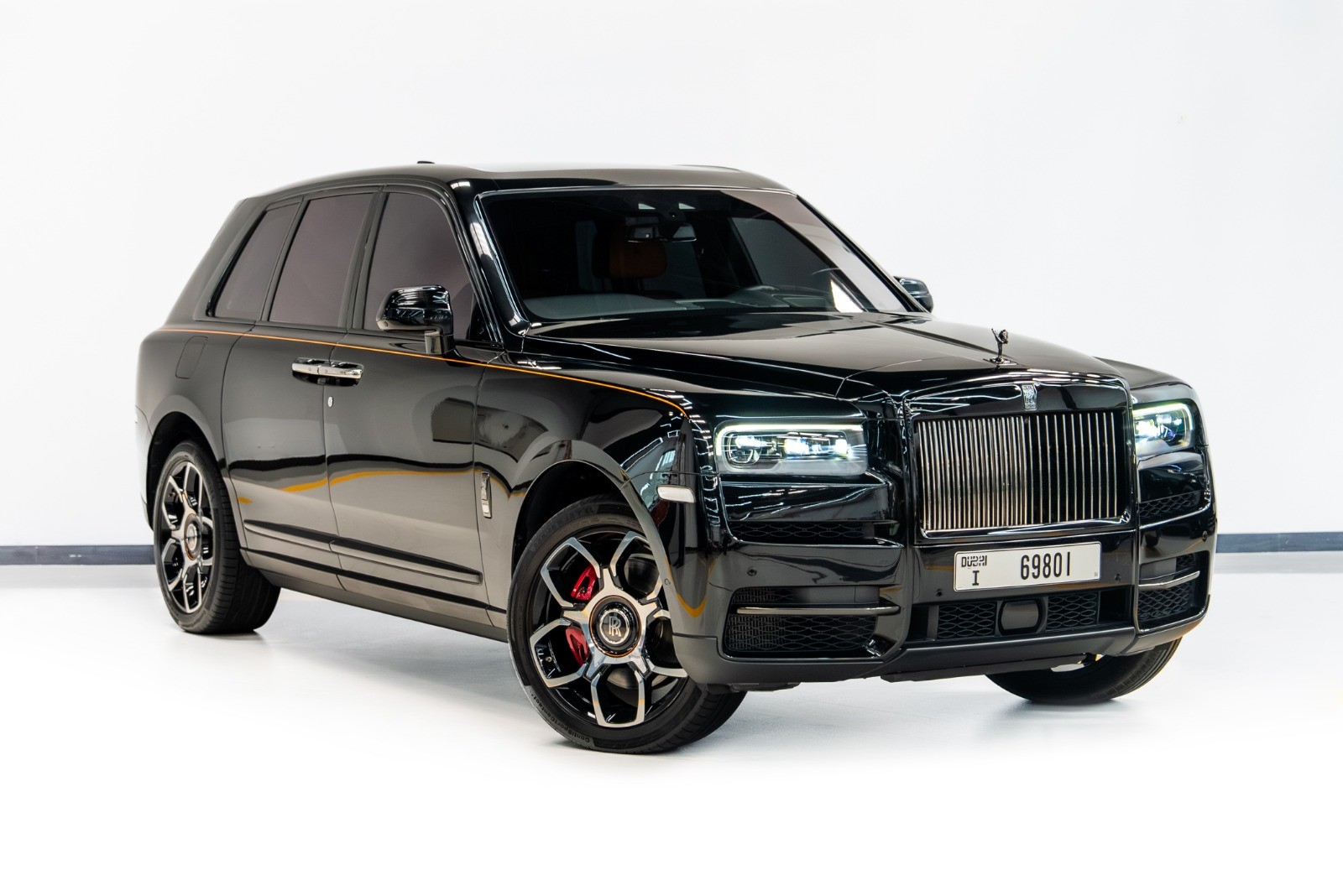

Driving in Dubai means following clear rules designed to keep everyone safe on the road. You should know the allowed number of passengers for your private vehicle because it affects safety, vehicle handling, and legal compliance.
This guide explains the passenger limits that apply to private cars in Dubai, what those limits mean for everyday driving, and the penalties you can face for exceeding them. Keep this information in mind to protect yourself, your passengers, and your driving record.
Understanding Vehicle Capacity Regulations
You must never carry more occupants than the number of seat belts installed in your vehicle. Follow the manufacturer’s seating limits shown on the registration to avoid violations. Ensure children use appropriate restraints and secure seating as required by law. Penalties apply for overloading, and enforcement may include fines and points on your license. Regularly check your vehicle type and passenger rules before driving.
Passenger Limits for Private Cars
Typical Seating Rules and Limits
You must seat only as many people as the vehicle’s original, manufacturer-installed seats and seat belts allow. Common private cars usually carry:
- Sedans and hatchbacks: 5 people (including the driver)
- Standard 5-seat SUVs: 5 people
- 7-seat SUVs: 7 peopl
- 8-seat SUVs: 8 people
Always ensure every occupant uses a factory-fitted seat belt; aftermarket or added belts do not change the legal capacity. Exceeding the certified seating can lead to fines and affect insurance claims.
Exceptions for Larger Cab Configurations
If you drive a large pickup or an SUV with extended-cab or crew-cab layouts, your vehicle may legally accommodate more passengers when those seating positions are factory-approved. Check your vehicle’s registration and manufacturer specifications to confirm the permitted number of passengers. You remain responsible for confirming that each seating position has a proper, factory-installed seat belt before carrying additional people.
Legal Implications of Exceeding Passenger Limits
Monetary Penalties and License Consequences
If you carry more people than your car’s seatbelts allow, expect financial and administrative penalties. Typical outcomes include a fixed fine (commonly around AED 400) and the addition of black points to your driving record. Repeated or severe breaches can lead to stronger actions, such as temporary seizure of the vehicle.
Risks to Safety and Vehicle Performance
Overloading compromises restraint systems and visibility, increasing injury risk. Seat belts and airbags only protect occupants who are seated and belted correctly; extra passengers often sit in unsafe positions. Additional weight also alters handling and braking distances, raising the chance of loss of control and collisions.
- Quick reminder: follow the number of seatbelts, not just how many people fit.
- Practical effect: enforcement checks can occur at any time, including peak travel periods and holidays.
Factors Affecting Passenger Capacity
Vehicle Design and Model Type
The number of people you can legally and safely carry depends on your vehicle’s design and factory specifications. Manufacturers list the approved seating capacity and arrangement on the vehicle registration (Mulkiya) and in the owner’s manual. Larger vehicles and models built for passengers provide more room and factory-installed restraints, while compact cars have limited space and fewer seating positions. You must follow the manufacturer’s stated capacity to remain compliant and maintain safety standards.
Seat Layout and Restraint Setup
Your vehicle’s seating arrangement and the presence of certified seat belts determine how many occupants you may carry. Only use seats equipped with proper, manufacturer-approved restraints; do not add makeshift belts or allow multiple people to share one belt. Avoid seating anyone in cargo areas or non-passenger compartments. If your vehicle offers optional crew or extended cab configurations, those factory layouts allow additional passengers only when each occupant has an individual, approved seating position and belt.
Legal Passenger Capacity for Children
You must secure children under 4 years in an approved child safety seat.
For ages 5–10, you must use a suitable booster seat to ensure the seatbelt fits correctly.
Children younger than 10 or under 145 cm tall may not ride in the front passenger seat.
Failing to follow these rules can result in fines, license points, and increased injury risk for young passengers.
Why RAM UAE Is a Smart Pick for Families and Groups
RAM offers spacious interiors that comfortably fit larger families or groups, so everyone travels without crowding. Its seating layouts accommodate extra passengers while keeping access and comfort easy.
You get strong engine performance that maintains power even when the vehicle is fully loaded, letting you climb dunes or merge on highways with confidence. Durable construction and reliable braking systems reduce risk during heavier trips.
Safety features like multiple airbags and advanced stability control protect occupants in varied driving conditions. A comprehensive warranty supports long-term ownership and helps you manage maintenance costs.
- Roomy seating for groups
- Robust power for full loads
- Advanced safety systems
- Warranty-backed ownership
Comply with Limits, Move with Confidence
Follow the posted seating capacity for your vehicle and never carry more people than the manufacturer specifies. Doing so reduces risk, keeps you within UAE traffic rules, and prevents fines or insurance complications.
Make sure every passenger uses the correct seat and a working seatbelt. If you regularly need extra space, choose a vehicle with appropriate seating rather than squeezing people into a smaller car.
Quick checklist:
- Verify the seating capacity in your owner’s manual.
- Ensure all seatbelts and child restraints are fitted and used.
- Consider larger or purpose-built vehicles when transporting more passengers.
These simple steps protect occupants and let you travel with greater certainty and legal compliance.
0 Comment